
For the theory test
The seven rules of firearm safety
Firearms Safety and Education New Zealand (FSE) says the theory test covers the Firearms Safety Code, safe practice and the law. The seven rules run through all of it. In the tests Scott supervised under the old system, any Seven Rules question wrong failed you, whatever else you got right. Know them in order, and know what each one means.
Treat every firearm as loaded
Handle every firearm as if it is loaded: muzzle away from people, finger off the trigger, full control. If you’re unsure of its state, or it has been out of your control, carry out Safety Precautions: muzzle safe, safety on, magazine open or off, action open, check twice. Check every firearm yourself, never take someone’s word, and if you don’t know how to unload one, leave it alone.
Source: Firearms Safety Code, Rule 1, pp.6–7; 7 rules of firearm safety, Rule 1
Always point firearms in a safe direction
Loaded or not, the muzzle points where a discharge would hurt no one. That might be up or down, depending on where you are; ground that absorbs a bullet beats rock or water. Picture a laser beam from the muzzle. Take extra care when working the action or safety catch, if you slip or fall, and when moving firearms in or out of vehicles.
Source: Firearms Safety Code, Rule 2, pp.8–9; 7 rules of firearm safety, Rule 2
Chamber a cartridge only when ready to fire
Chamber a cartridge only when you’ve sighted game, expect to meet it close by, or are about to fire on a range. In open country, wait until you’re ready to shoot. Unload fully, magazines included, before leaving the shooting area, entering a hut or camp, travelling, cleaning or storing. In a group, only the hunter in front may chamber a cartridge.
Source: Firearms Safety Code, Rule 3, pp.10–14; 7 rules of firearm safety, Rule 3

Identify your target beyond all doubt
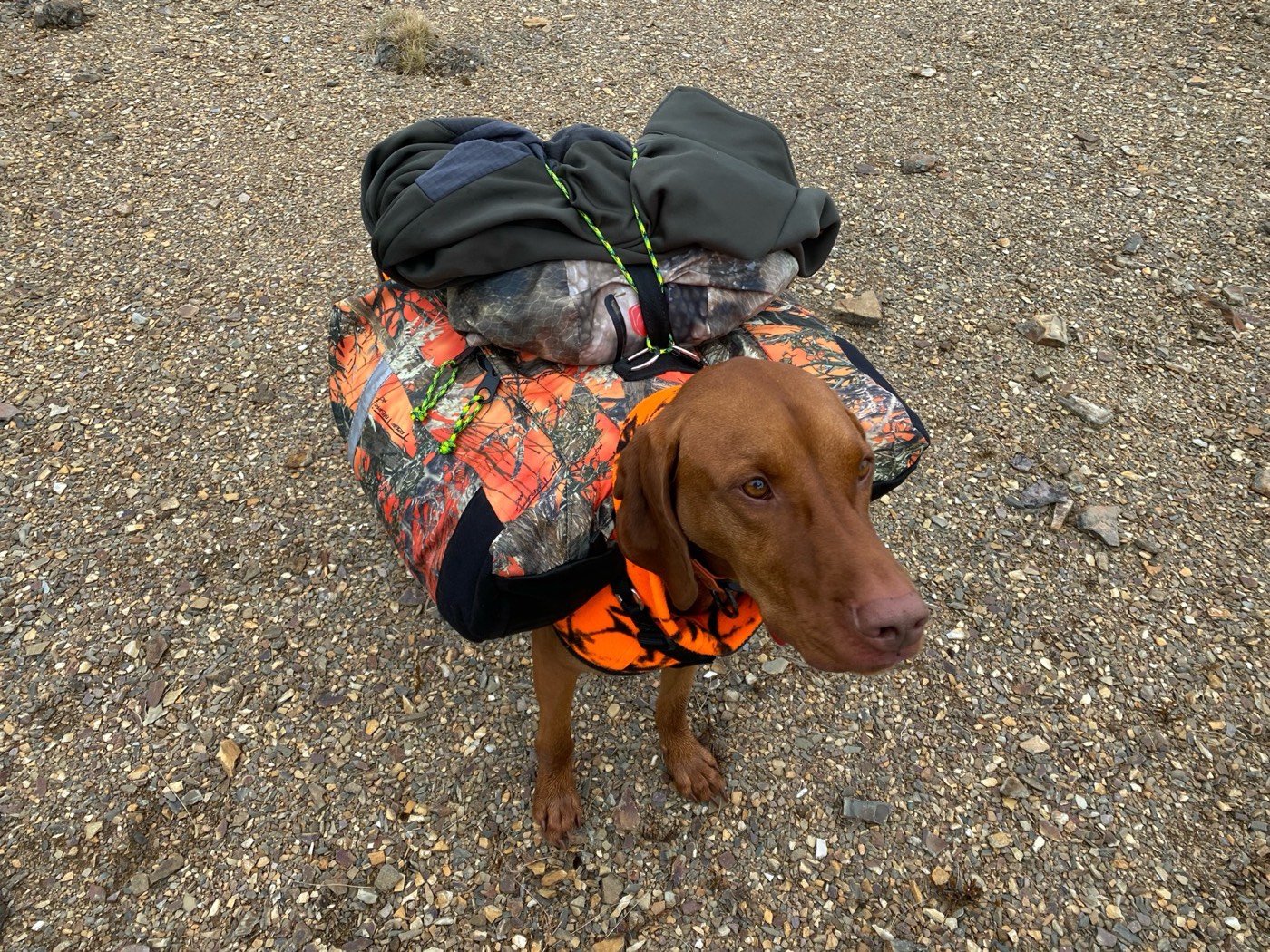
Never shoot at sound, movement, colour or shape alone; see and assess the whole animal. Scan with binoculars, never your scope. Excitement, tiredness, pressure, poor light and expectation can make your brain see an animal that isn’t there. Wear hi-vis, more of it in thick bush, and replace it when it fades. If there is any doubt, don’t shoot.
Source: Firearms Safety Code, Rule 4, pp.15–20; 7 rules of firearm safety, Rule 4
Check your firing zone
Your firing zone is everywhere a shot could travel or land, and it changes with every step. Check the background, then the target, then put your sights on. Never shoot at the skyline: bullets can carry several kilometres. Water, rock and other hard surfaces cause ricochets. Lose sight of a hunting mate? Stop until you’re back in contact. Not 100% sure? Don’t fire.
Source: Firearms Safety Code, Rule 5, pp.21–25; 7 rules of firearm safety, Rule 5

Store and transport firearms and ammunition safely
Store firearms locked away and unloaded, with ammunition stored separately under a different key or combination. On the road, a firearm is unloaded, made inoperable (vital part removed where possible, otherwise a trigger lock or locked case) and hidden from view, with ammunition kept separate and out of sight.
Source: Firearms Safety Code, Rule 6, p.26; 7 rules of firearm safety, Rule 6; Arms Regulations 2026 (SL 2026/276), reg 21; Arms Regulations 2026 (SL 2026/276), reg 23(1)
Avoid alcohol or drugs when handling firearms
Alcohol and drugs slow your reactions and cloud your judgement. No amount of alcohol is safe before handling a firearm, so drink only once firearms are unloaded and locked away, and never shoot with anyone who has been drinking. Some medicines affect you too: read the label and ask your doctor.
Source: Firearms Safety Code, Rule 7, p.28; 7 rules of firearm safety, Rule 7

The seven rules of firearm safety, as published by Firearms Safety and Education New Zealand. The explanations are FAL Ready’s own words, the same cards the app shows. FSE’s 7 rules of firearm safety page and the Firearms Safety Code are the authority.
Practise them
Learn them with FSE’s free module, 7 rules of firearm safety. Then practise in FAL Ready, where the seven rules are free for good: drills, putting them in order, and saying all seven.